


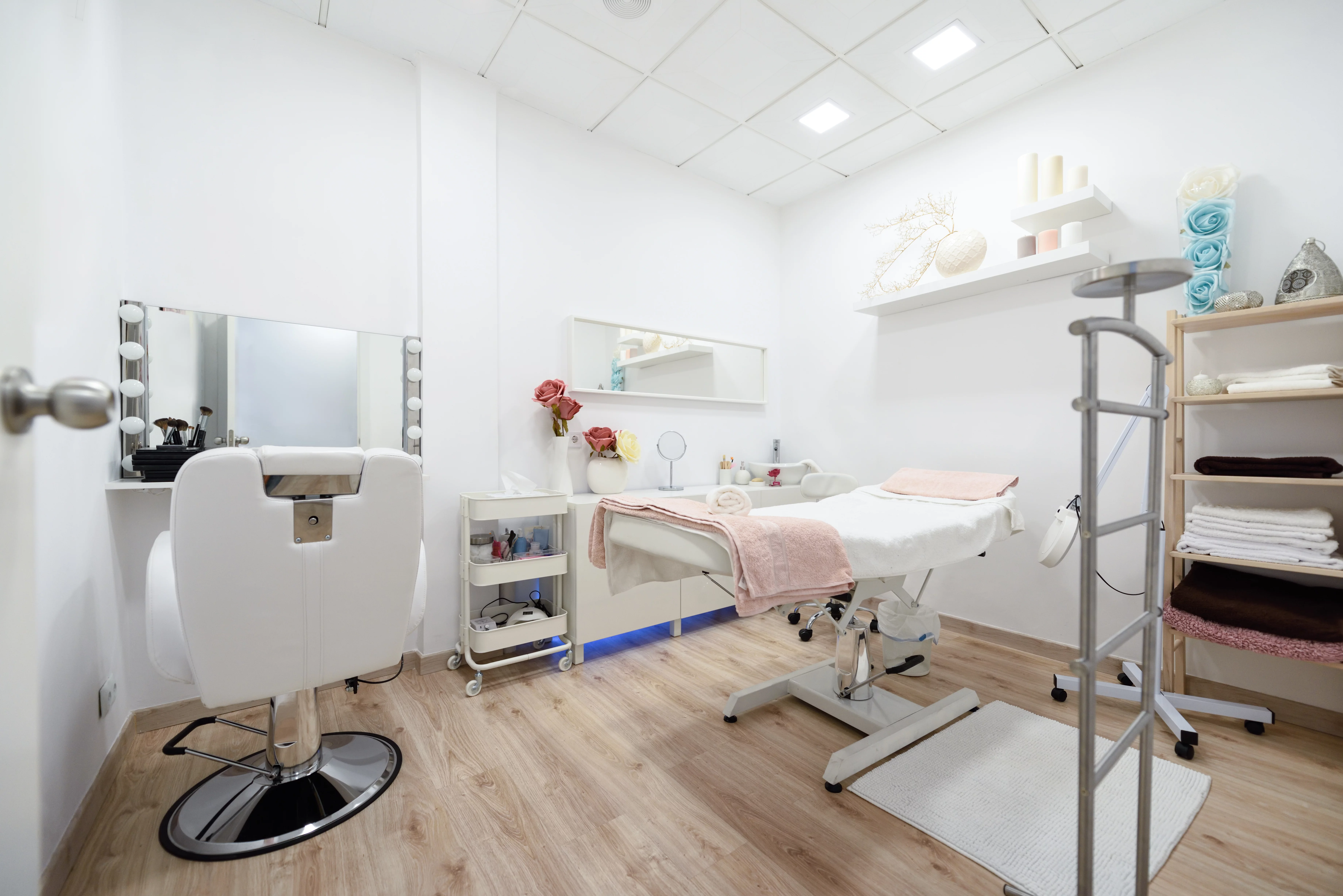
What Makes a Med Spa Website Convert Visitors into Clients?
In today’s competitive aesthetics industry, your website is more than just a digital business card—it’s the front door to your med spa. Whether someone finds you through Google, Instagram, or a referral, their decision to book a consultation or treatment often hinges on the experience your website provides.
A beautiful design alone isn’t enough. A truly high-converting med spa website must be built with purpose: to guide visitors toward taking action while establishing trust, credibility, and emotional connection. From layout and messaging to calls to action and page speed, every element plays a role in converting casual browsers into loyal clients.
This guide explores the essential components that make a med spa website effective, professional, and results-driven.
Why Website Conversion Matters
Many med spas spend thousands on ads and SEO, only to lose leads due to underperforming websites. Conversion refers to a visitor taking a desired action, most commonly:
- Booking an appointment
- Calling your clinic
- Filling out a contact or consultation form
If your website isn’t optimized to convert, you’re essentially pouring traffic into a leaky funnel. But with a few key improvements, you can turn more of that traffic into scheduled clients.
1. Clear, Purpose-Driven Homepage
Your homepage sets the tone for everything else. Visitors should immediately understand:
- Who you are
- What you do
- What makes your med spa different
- How to take the next step (book, call, or contact)
Effective homepage elements include:
- A bold headline with a client-focused message (“Restore Your Confidence with Proven Aesthetic Treatments”)
- A brief overview of your services
- One or two clear calls to action (e.g., “Schedule a Consultation” or “View Our Services”)
- Professional imagery that reflects your target audience
Avoid clutter. Keep the message clear and focused on value.
2. Strong Visual Branding and Aesthetic Appeal
Aesthetic clients are visually driven. If your website looks outdated or unpolished, it can affect how people perceive the quality of your services.
Design considerations:
- Clean, modern layout with plenty of white space
- Consistent fonts and color palette
- High-resolution photos of your team, facility, and results (no blurry images or stock photos)
- Mobile responsiveness (your site should look perfect on any screen)
First impressions matter. Your design should inspire confidence and professionalism from the first click.
3. Service Pages That Educate and Persuade
Each core treatment should have its dedicated page optimized for both SEO and conversions. These pages should:
- Explain what the treatment is
- Describe the benefits in client-friendly language
- Address common concerns (pain, recovery time, safety)
- List who is a good candidate
- Showcase real results or testimonials
- Include a call to action
A well-written service page not only ranks in search engines but also turns uncertain visitors into confident prospects.
4. Real Testimonials and Social Proof
Potential clients want reassurance that others have had positive experiences with your med spa. Testimonials, reviews, and real stories build trust and credibility.
Ways to display social proof:
- Written testimonials with full names (or initials if privacy is a concern)
- Video testimonials
- Before-and-after galleries with captions
- Review badges from Google, Yelp, or other platforms
Social proof should be featured throughout your site, not just on one page.
5. Calls to Action That Are Clear and Consistent
Every page of your website should guide the visitor toward the next step. That’s where calls to action (CTAs) come in.
Effective CTAs:
- Use action-oriented language (“Book Now,” “Schedule Your Free Consultation”)
- Are visible without scrolling on every page
- Match the intent of the content (a service page should encourage booking, a blog post might encourage contacting you)
- Lead to a simple, conversion-optimized form
Avoid vague CTAs like “Learn More” unless they’re part of a broader content flow.
6. Easy-to-Use Contact and Booking System
If it’s difficult to get in touch or schedule an appointment, visitors will leave. Make it easy by:
- Offering multiple contact options (form, phone, booking calendar)
- Keeping forms short and to the point (name, email, service of interest, preferred time)
- Displaying your phone number in the header
- Embedding a booking widget or linking to your scheduling platform
The more seamless the booking process, the higher your conversion rates.
7. Fast Load Speed and Mobile Optimization
More than half of web traffic comes from mobile devices, and users expect fast performance. A slow or glitchy site can hurt both user experience and search rankings.
Ensure your site is:
- Fully responsive across devices
- Loading in under 3 seconds
- Optimized with compressed images and minimal plugins
- Secure (using HTTPS and an active SSL certificate)
Mobile users should be able to book a service or call your office with a single tap.
8. SEO-Focused Structure
A converting website also needs to attract the right visitors, and that’s where SEO comes in.
Every page should include:
- Keyword-optimized headings and content
- Descriptive title tags and meta descriptions
- Alt text for images
- Internal links to related content
- Location-based keywords to target local searches (e.g., “Botox in [City]”)
An optimized structure ensures that people searching for med spa services in your area actually find your site—and take action once they do.
9. Educational Blog Content
Blog posts may not directly convert visitors, but they play a big role in building trust and driving traffic. A well-maintained blog:
- Answers common treatment questions
- Explains service differences (e.g., “Chemical Peel vs. Microneedling”)
- Offers skin care tips and seasonal guides
- Demonstrates your expertise in the field
Each blog post should include a CTA to move readers closer to booking or learning more.
10. Trust Signals and Compliance
A med spa operates in a regulated, health-adjacent industry. Show clients that your practice is reputable and compliant by including:
- Credentials of providers
- Licenses or certifications
- Links to policies (privacy, refunds, disclaimers)
- Compliance with advertising guidelines (no misleading or exaggerated claims)
This reassures visitors that your clinic is credible, ethical, and safe.
Bonus: Live Chat or Messaging
Adding a live chat or AI messaging tool can boost conversions by offering real-time support. It’s especially useful for answering quick questions or helping undecided visitors navigate their next steps.
Make sure it’s not intrusive, loads quickly, and offers real value (not just a bot saying "Hi").
Final Thoughts
A high-converting med spa website is a blend of strategy, design, and trust-building. It should reflect the same level of care and professionalism you provide in your treatments while guiding potential clients from interest to action.
By focusing on clear messaging, strong visuals, simple navigation, and visible calls to action, you can transform your site into a lead-generation machine that works around the clock.
Your website should do more than look good—it should bring in clients, build your brand, and support your clinic’s long-term growth.


